Underwater LED Strip Installation Guide: Best Practices, Failure Prevention & Cost Analysis
Pool contractor? Fountain specifier? Distributor sourcing underwater strips? Keep reading — this is the practical stuff they don't put in spec sheets.
Browse all latest news and articles
Pool contractor? Fountain specifier? Distributor sourcing underwater strips? Keep reading — this is the practical stuff they don't put in spec sheets.
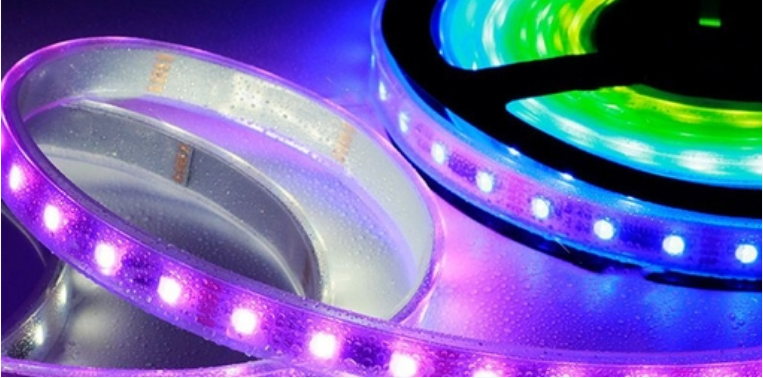
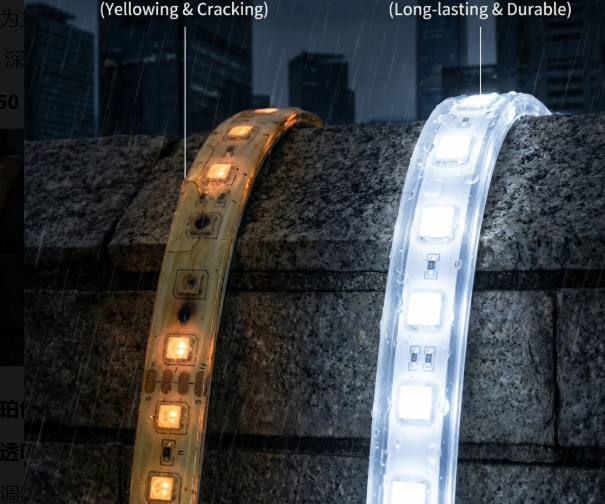
Two underwater LED strips, both labeled IP68 — one lasts 5+ years, the other dies in 3 months. The difference isn't the LED chips; it's the waterproofing method, encapsulation material, and how honestly the IP68 rating was tested.
This report comprehensively compares SM167 series RGB ICs, including basic, high-end, multi-channel and special-function models, detailing their parameters, pros, cons and applicable scenarios with product recommendations. It also provides clear selection rules for low-voltage RGB strips and blockchain integration, helping professionals make rational choices for different projects.
It compares IP65, IP67, and IP68 LED fixtures—all with the highest dustproof level (Level 6) but different waterproof strengths. It explains IP rating definitions, their test conditions, protection capabilities, applicable scenarios with product recommendations, corrects purchase misconceptions, and offers a quick guide to help readers choose suitable waterproof LED fixtures.
This report focuses on mainstream ICs for low-voltage RGB LED strips, classifies and analyzes the parameters, advantages, and disadvantages of external, internal, and DMX512 series ICs. It compares the differences between break-point resume and non-break-point resume, as well as different voltage selection options, provides precise scenario-based selection schemes, and supplements key points for common fault diagnosis.
Most LED order mistakes don't start at production — they start in the inquiry stage, before anything is manufactured. Buyers don't know what to ask. Suppliers don't always explain. This guide covers the five parameters that cause the most ordering problems: voltage, color temperature, IP rating, maximum single-feed length, and warranty terms.
Discover the 5 most common LED strip mistakes importers make when sourcing from China — and how to avoid them. From voltage drop to adhesive failure, this guide covers real quality issues and what to ask your supplier before you buy.
Taking this forum as a pivotal starting point, we will uphold the Break the Game, Forge Ahead with New Momentum philosophy and anchor our development on innovation and quality.
In the world of adhesives, ensuring optimal performance is crucial for various industrial and commercial applications. At CNstrip, we offer a range of high-quality backing adhesives, including acrylic adhesive and 3M foam tape. To help you evaluate their adhesive properties effectively, we've compiled a comprehensive guide on testing their stickiness.
When investing in LED neon lights, durability isn’t just a nice-to-have—it’s a game-changer. Frequent replacements, flickering bulbs, or faded colors disrupt your plans, inflate costs, and undermine the very aesthetic you aimed to create. So, the question is: How can you buy LED neon lights that actually last?