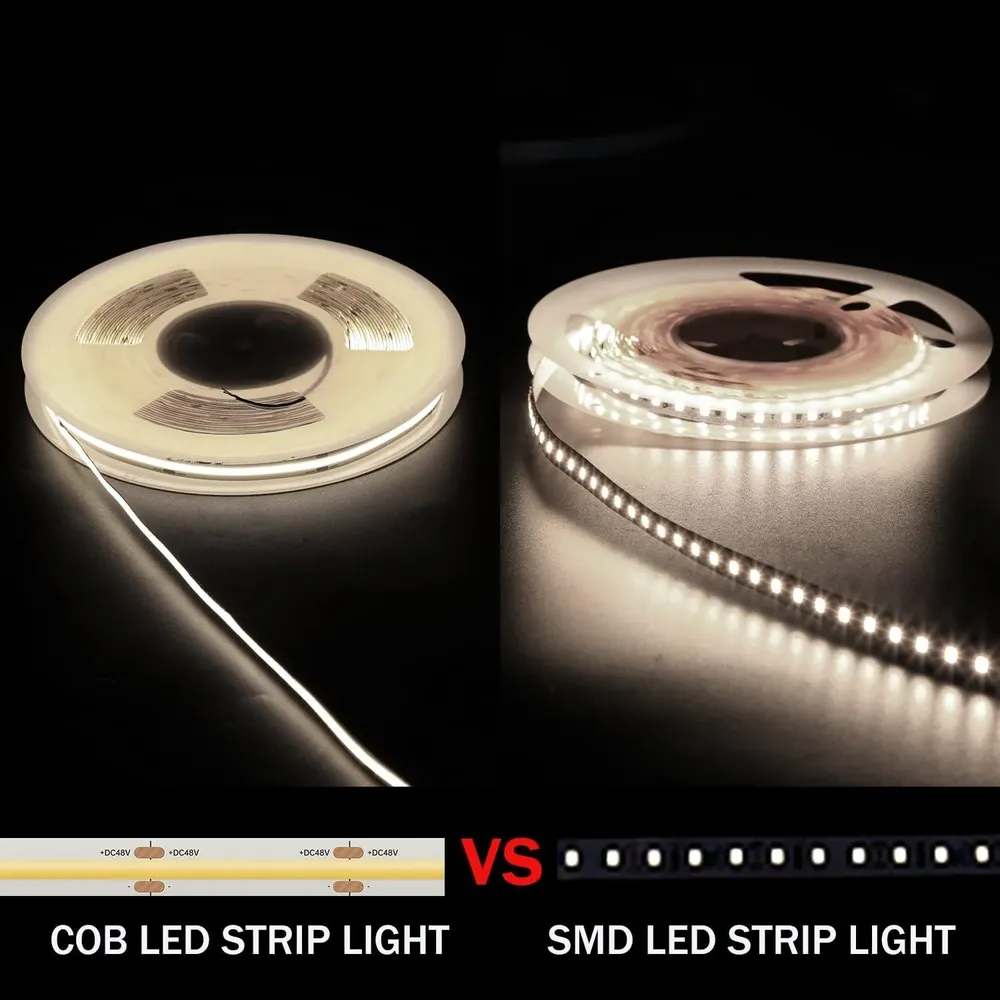
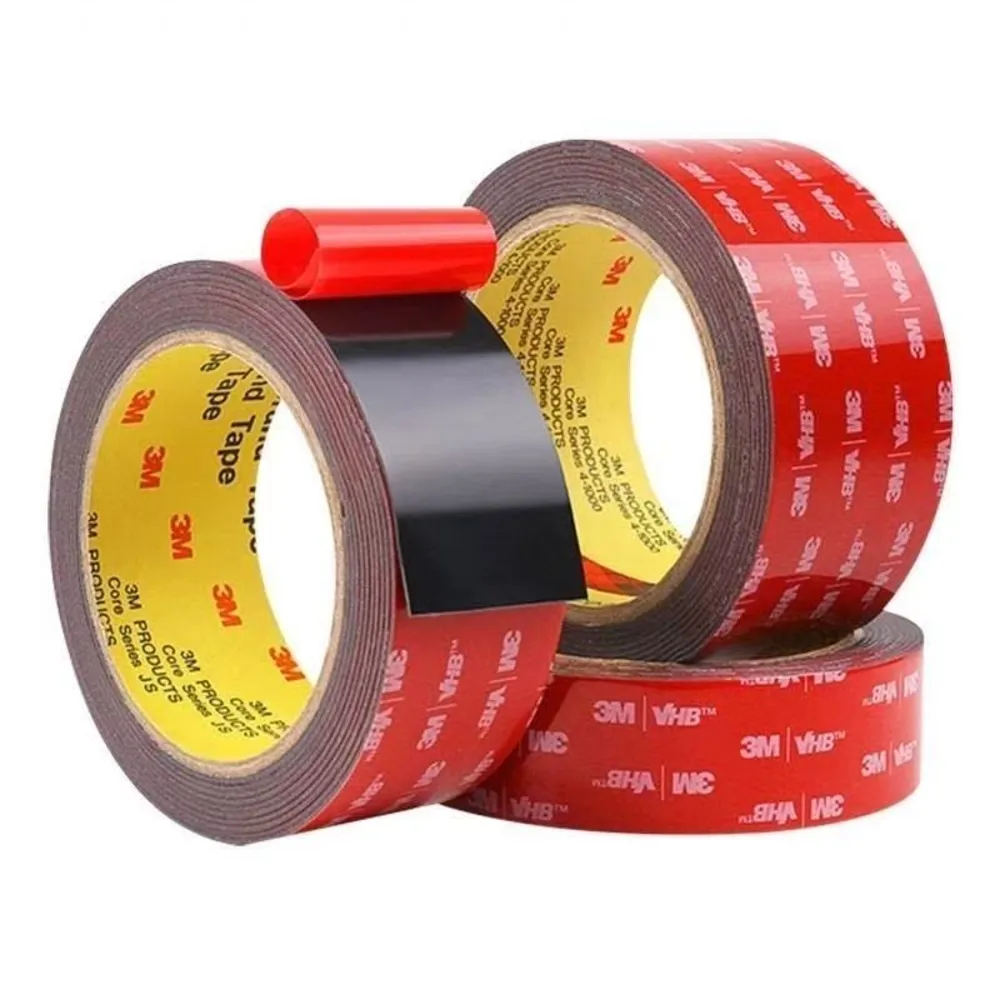
In the world of adhesives, ensuring optimal performance is crucial for various industrial and commercial applications. At CNstrip, we offer a range of high-quality backing adhesives, including acrylic adhesive and 3M foam tape. To help you evaluate their adhesive properties effectively, we've compiled a comprehensive guide on testing their stickiness.
I. Fundamental Adhesion Tests
1. Initial Tack Testing
-
Ball Tack Test: In line with the GB/T 4852 standard, this method involves rolling a steel ball of a specific mass down an inclined adhesive surface. The number of the ball that stops rolling on the adhesive surface is recorded. A higher number indicates better initial tack. This quick test provides a preliminary assessment of the adhesive's immediate bonding capability.
-
Loop Tack Test: A loop-shaped adhesive sample is pressed against a standard test panel at a defined pressure and angle. It is then pulled apart at a constant speed, and the maximum peel force is measured. This method offers a more precise quantification of the initial tack.
2. Holding Power Testing
- Weight-Bearing Method: An adhesive sample is attached to a standard test panel, and a specified weight is hung vertically from the adhesive surface. The time it takes for the adhesive to detach from the panel is recorded. A longer duration indicates better holding power. This test evaluates the adhesive's stability under long-term load.
II. Adhesion Testing Under Special Environmental Conditions
1. High-Temperature and High-Humidity Testing
Place the adhesive samples in a high-temperature and high-humidity environment (e.g., 85°C, 85% RH) for a set period. Then, test the changes in their adhesion. This helps assess the adhesive's performance stability under extreme conditions.
2. Low-Temperature Testing
Test the adhesion of the adhesives in a low-temperature environment (e.g., -20°C) to evaluate their performance in cold conditions. This is particularly important for adhesives used in cold climates.
3. Weather Resistance Testing
By simulating natural environmental conditions such as light, temperature, and humidity, expose the adhesives to long-term testing. Observe the changes in their adhesion over time to assess their weather resistance and service life.
III. Specific Tests for Different Adhesives
1. Acrylic Adhesive
-
Chemical Resistance Testing: Acrylic adhesives may be sensitive to certain chemicals. Conduct chemical resistance tests to evaluate how their adhesion changes upon exposure to specific substances.
-
Long-Term Aging Testing: Acrylic adhesives can degrade over time, leading to a decrease in adhesion. Perform long-term aging tests to assess their service life.
2. 3M Foam Tape
-
Compression and Resilience Testing: 3M foam tape adhesives possess compressibility and resilience. Conduct compression and resilience tests to evaluate their recovery ability and adhesion retention after compression.
-
Thickness Effect on Adhesion Testing: The thickness of 3M foam tape can influence its adhesion. Test the adhesion performance at different thicknesses to determine the optimal thickness for use.
IV. Testing Equipment and Tools
- Initial Tack Testers: Used for ball tack and loop tack tests.
- Holding Power Testers: Employed for weight-bearing holding power tests.
- Constant Temperature and Humidity Chambers: Used to simulate high-temperature, high-humidity, low-temperature, and other special environments.
- Electronic Balances: For precise weighing of weights and sample masses.
- Peel Force Testing Machines: Used to measure peel forces and assess adhesion strength.
V. Testing Procedures and Precautions
1. Sample Preparation
Cut the adhesive samples to standard dimensions, ensuring the surface is flat and free of bubbles.
2. Setting Test Conditions
Configure the temperature, humidity, pressure, and other parameters according to the test requirements.
3. Conducting Tests
Follow the test methods and record the data accurately.
4. Data Analysis
Organize and analyze the test data to evaluate the adhesive performance of CNstrip's backing adhesives.
5. Precautions
- Maintain a clean testing environment to prevent dust and other impurities from affecting the results.
- Calibrate the testing equipment before use to ensure accurate results.
- Test samples from different batches separately to assess their consistency.
By following this comprehensive guide, you can effectively evaluate the adhesive performance of CNstrip's acrylic adhesive and 3M foam tape, ensuring they meet your specific application requirements. Whether you're working in automotive, electronics, construction, or any other industry, our high-quality adhesives are designed to deliver reliable and durable bonding solutions.